Red wine production
Red wine has been made for thousands of years. However, between the first red wines and today, the methods have changed over time as knowledge of viticulture has increased and producers’ priorities and desire to experiment have changed.
The different methods of red winemaking all have one thing in common: they are the result of vinifying red grapes, where the must-wine remains in contact with the grape skins which release colour and other properties into the wine.
However, the winemaking process varies depending on the type of red wine being made:
When making a red wine, firstly, the grapes are brought to the winery and are either sorted or not, depending on the desired quality.
The clusters might then be destemmed, detaching the stalk from the skins, and pressing the grapes so that they quickly release their juice, or the grapes are vatted with the stalks or not pressed. These decisions depend on the type of red wine being made. For example, with so-called carbonic macerations like those used for many young Rioja wines and Beaujolais nouveau, the clusters are vatted whole. This method makes it possible to enhance the aromas of red fruit and make the wine softer and less astringent. On the opposite end of the scale are the long-aging wines from Bordeaux, where the clusters are destemmed, the grapes are pressed and the macerations are long, all with the aim of making powerful wines with immense aging potential.
Generally, after alcoholic fermentation, the wine is devatted and the marc is pressed to squeeze out as much juice as possible.
Once pressed, most red wines undergo malolactic fermentation. This is where the malic acid present in the wine is transformed into lactic acid by lactic bacteria. This is a transformation from a stronger acid, which has hints of green apple, to a softer and more pleasant one, with lactic touches and hints of yogurt and even cream. This fermentation occurs mainly in reds but also in whites with a very pronounced acidity, like some of those made quite far north.
Then wine can then be aged in barrels, foudres or other containers and is then clarified, filtered or stabilised if the producer does not want residues in the bottle or the wine to change over time. These processes vary depending on the wine being made. If it is a commercial young wine, it will most likely be finished off. On the other hand, if the wine is aged during the process, it stabilises naturally.
Finally, once bottled, red wine can age in the bottle. The finely tuned wines are especially those that have previously been aged in wooden containers and that have good body and structure. Time in the bottle will allow it to finish refining so it is more elegant on the palate.
History of red wines
The history of wine is linked to the history of people themselves. The first traces of wine production were found in Georgia, dating from 8,000 BC, and in the Middle East, in modern day Iraq and Iran. The latter traces date from 5,400 BC. It also coincides with the appearance of ceramics.
From there, wine production spread to the Mediterranean. This was when the Greeks and the Romans spread wine and viticulture throughout their sphere of influence. The Romans even spent time looking for varieties that were best suited to their different regions and developed viticultural techniques that are still in use today. Wine, an essential feature of their banquets and even as a drink for their troops, was part of Roman culture for the duration of the empire.
After the fall of the Roman Empire, during the Middle Ages it was the Catholic Church that preserved the vineyards as well as the knowledge associated with viticulture and winemaking. Throughout this time, wine was mainly used for local consumption and for religious services.
Later, with the conquest of America, the vine was exported to that continent. The commercial voyages of the mid-nineteenth century between Europe and America were what brought phylloxera, an insect that mostly attacks the roots of European vines, to the old continent. In a few short years it devastated almost all vines. The whole winemaking world began looking for a cure for this terrible plague and it was not until a few years later that the solution was found: grafting European vines onto American vines, creating plants formed by two separate plants, the above-ground and fruit-producing part of European vines and the root system of American vines that were resistant to phylloxera.
Ever since it was first made, wine has been associated with high society and with celebrations and banquets. However, it was not until modern day, following great technological advances in viticulture and enology, that it has become accessible for most people and something we can all enjoy on any occasion.
Red wine classification
Red wine classification can be somewhat confusing because the criteria vary from region to region.
In Spain, they are classified by the time they have aged in barrels and bottles and can be divided into the following categories:
-Joven: no barrel aging.
-Roble: minimum of 3 months in the barrel and 6 months in the bottle.
-Crianza: minimum of 6 months in the barrel and 18 months in the bottle.
-Reserva: minimum of 12 months in the barrel and 36 months in the bottle.
-Gran Reserva: minimum of 24 months in the barrel and 36 months in the bottle.
It can also be classified by quality and region of origin:
-Table wine: this is the most basic classification because there are fewer requirements than the others.
-Wine from...: Next link. Certain requirements must be met for this classification, like the grapes must come from a certain region, the grapes used must be authorised varieties in that area, there must be a certain level of alcohol and certain organoleptic characteristics.
-VCPRD or Quality Wines Produced in Specific Regions. This classification was put in place to protect the quality of wines from certain regions and their typicity.
-IGP or Wine from a Protected Geographical Indication. For wines from a certain area. DO or Denomination of Origin. This is the level above IGP. The main difference is that to be classified as a DO, all production processes must take place in the region in question, which is not necessary for IGP wines. Spain has 70 of these, including two DOCa.
-DOCa Qualified Denomination of Origin: There are only two of these in Spain, La Rioja and Priorat. These are distinct from DO wines, because all wines in this classification must be sold bottled. Single-plot wine: There are currently only 15 in Spain. This label means that the grapes come from certain areas with very specific characteristics that make them special.
In France, classification is done differently:
-Table wine.
-AOC Appellation d'Origin Contrôlée.
They can also be classified by area:
-General AOC: Eg. AOC Bordeaux, Alsace, Burgundy.
-Regional AOC: Eg. AOC Médoc, Côtes du Forez.
-Municipal AOC: Eg. AOC Chablis, Beaune, Margaux.
Or by quality:
-Cru.
-Premier Cru.
-Grands Cru.
-Premier Grand Cru.
So, to finish with examples of different wine classifications, let’s look at Germany. Their wine classification board is called VDP - Verband Deutscher Prädikatsweingüter. The wines can be divided by quality into the following categories:
-VDP Gutsweine.
-VDP. Ortsweine.
-VDP. Erste Lage.
-VDP. Groose Lage.
Leading red wine producers
There are so many renowned red wine makers. Each of them produces in their own style and seeks to express their terroir and varieties as much as possible. Some examples of these producers are:
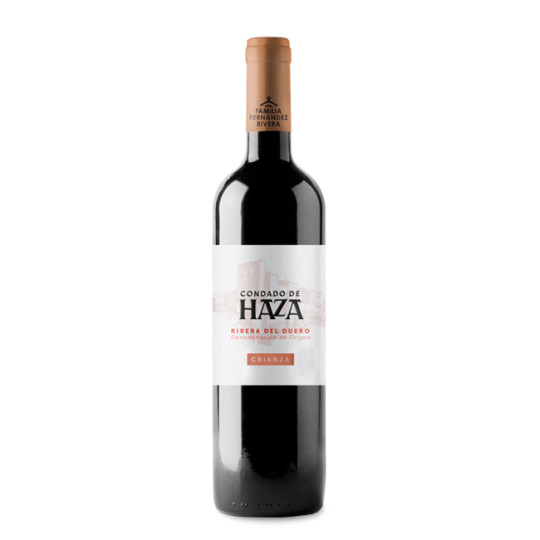
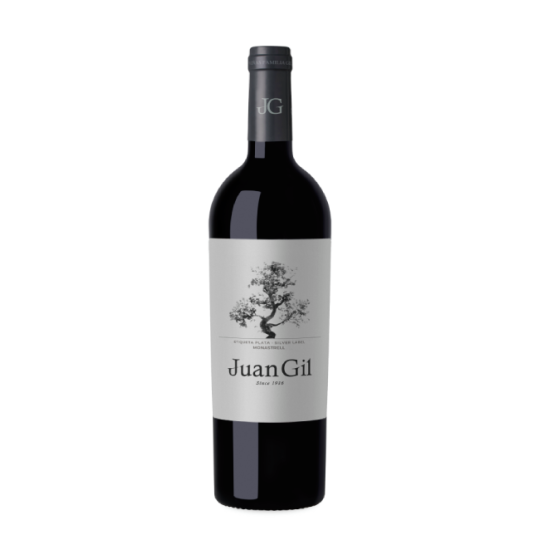
In Spain, Pago de los Capellanes, Pago de Carraovejas, Emilio Moro and Vega Sicilia in Ribera del Duero. Remelluri, Palacios Redondo and Muga in La Rioja. Juan Gil and Casa Castillo with their Monastrell in Jumilla. Venus la Universal, Orto Vins and Celler Acústic in Montsant. Descendientes de J. Palacios and Raúl Pérez in El Bierzo. Mas Martinet, Álvaro Palacios and Clos Mogador in Priorat…
Among French producers it is worth highlighting Jean Folliard, Joseph Drouhin and Louis Jadot from Burgundy, Domaines Paul Jaboulet Aîné in the Loire Valley, Chapoutier and Domaine de La Janasse in the Rhône Valley, Jean-Pierre Moueix in Bordeaux and Domaines Ott in Provence, and Trimbach and Bott Geyl in Alsace.
There are also high numbers of producers in Italy. Let’s highlight a few: Masciarelli in Abruzzo. Castello dei Rampolla from Chianti Classico, Tuscany. Cascina degli Ulivi, Bera Vittorio E Figli and G.D. Vajra, all from the Piedmont region. Eduardo Torres Acosta from Sicily.
Finally, to include some Portuguese producers, it is worth highlighting Quinta do Noval, Quinta Do Crasto, Niepoort and Ramos Pinto in the Douro region. Then there is Campolargo and Luis Pato in Barriada and Esporao in Alentejo.
Red wine tasting and pairing
Red wine can be very diverse, which makes it a good accompaniment to most dishes.
In general, because they contain more tannins and have more structure than white wines, red wines are great for pairing with more powerful dishes. However, there are many young, light and even delicate red wines that can also be enjoyed as an aperitif or for drinks outside.
Younger, fresh and fruity reds are perfect for enjoying with lighter dishes like pasta, rice, white meats, semi-cured cheeses, charcuterie or even oily fish. The more structured crianza wines need to be paired with more intense dishes like roasts, grilled red meats and slightly more cured cheeses. Finally, reservas, grand reservas and the most powerful wines can handle being paired with a game dish, working well as a subtle complement. They even go perfectly well with chocolates with a high cocoa content.
What about you, have you found your favourite red for every occasion?


 Red wine
 White wine
 Rosé wine
 Primeurs
 Sherry and Port wine
 Sweet wine
 Orange wine
 Vermouth
 Champagne
 Cava
Cava Prosecco
 Lambrusco
 Crémant
 Moscato d'Asti
 Franciacorta
 Pet-Nat
 Corpinnat
 Other sparkling wines
 Rhum
Rhum Gin
Gin Whisky
 Vodka
Vodka Cognac
 Brandy
 Pastis
 Tequila
 Mezcal
 Grappa and Eau de vie
 Calvados
 Liqueurs
 Pacharán
 Apéritifs
 Wine gift boxes
 Boxed wines
 Boxed sparkling wines
 Wine bottles and glasses
 Gift card
 Non alcoholic Wine
 Non alcoholic Sparkling wine
 Non alcoholic Gin
 Other non-alcoholic drinks
 Aromas
 Wine conservation
 Decanters and aerators
 Bottle identifiers
 Corkscrews
 Service
 Glass identifiers
 Cleaners
 Accessories set
 Wine glasses
 Contact


 Price
Price Points
 Country
 Production area
 Designation of Origin
 Winery
 Style
Style Aging
Aging Type of grape
 Production
 Volume
 Pairing
 Vintage
 Filter and sort


 D.O.Ca. Rioja
(La Rioja)
D.O.Ca. Rioja
(La Rioja)