White wine production
White wine is made in such a way that means either white or red grapes can be used. This is why there are blanc de blancs and blanc de noirs, with most in the first group. Both are produced in a similar way. The main difference is that those made with red grapes must not be macerated with the grape skins, because that would produce a rosé or red wine instead of a white. The blanc de blancs can go through a light maceration to give the wine more body and varietal aromas.
Firstly, to make the must, the grapes can be destemmed and then pressed or simply pressed whole with the stalks. The latter method provides higher quality white wine. Then, for a clean fermentation, free from unwanted aromas, the must is racked, keeping it at a low temperature in isothermal tanks to get rid of all impurities, residue and sediment. Once the must is clean, it is ready to ferment. Fermentation can be carried out in various types of containers: stainless steel tanks, foudres, barrels and amphoras, with stainless steel being the most widely used.
Another important factor that differentiates white wine production from that of reds is temperature control. In general, white wines are expected to be fresh and fruity, whereas these characteristics are not usually as important in reds, if they are not young and intended for rapid consumption. This is why white wine usually ferments at a relatively low temperature, at around 15-17ºC. This low temperature during fermentation is what creates and preserves the grape’s fruity aromas.
Once the wine is fermented, it can be aged on its lees to give it more complexity and creaminess. Finally, before bottling, it is stabilised and filtered to different extents depending on the producer.
White wine history
People say there is proof that white wine was already being made more than 7,500 years ago in modern day Iran. It is also thought to have been made in Mesopotamia and different parts of the Middle East. Later the Greeks and the Romans also cultivated vines. They were responsible for spreading production throughout the Mediterranean. It was mostly red wine being produced, but there is evidence that white wine was also made. Then, following the fall of the Roman Empire, the Catholic Church was in charge of maintaining the vineyards as well as preserving and expanding the knowledge of viticulture. It was not until the modern era and the industrial revolution that white wine became available to everyone. Advances in technology and understanding of microbiology made it possible to produce more and make white wine available to most people.
White wine classification
Generally speaking, white wine can be classified by different criteria. By type of grape used, by sugar content or by production and aging methods:
By grape type:
This classification is in place because grape varieties can also be classified by the quantity and intensity of their aromatic components. Just like we distinguish between neutral and aromatic grapes, white wines can also be classified this way.
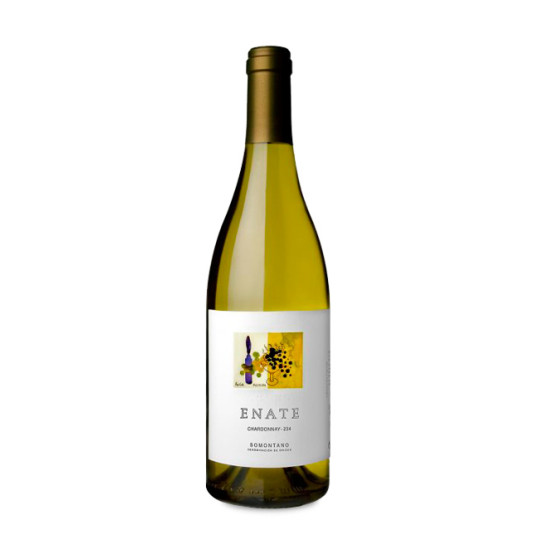
Neutral wines: made with neutral grapes. However, if they are young wines they can give off fresh and fruity aromas generated during fermentation. Some examples of neutral grapes are: Chardonnay, Macabeo, Garnacha Blanca, Airén.
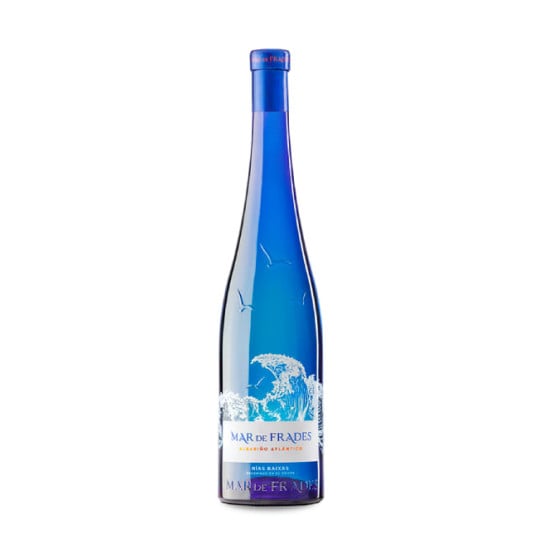
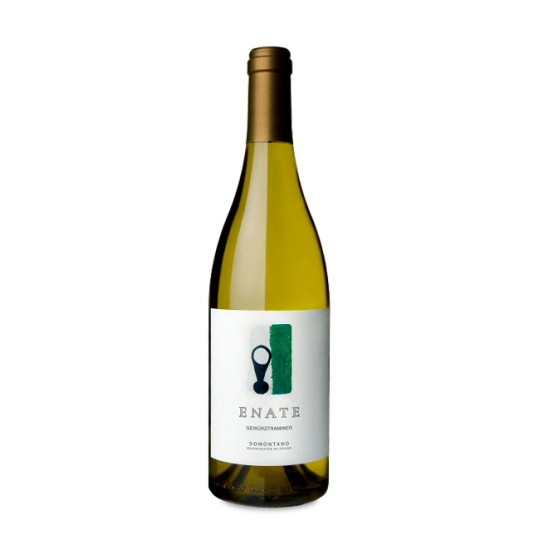
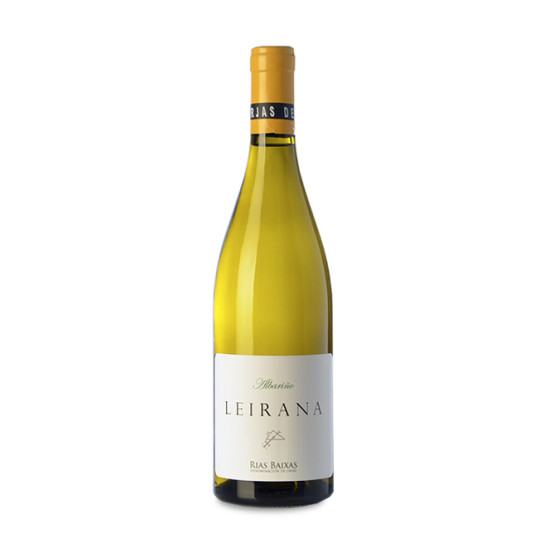
Aromatic wines: made by the vinification of aromatic grapes. The most aromatic grapes are those in the Muscat group. Other aromatic grapes are the Albariño, Malvasía, Riesling, Gewürztraminer, Godello and Sauvignon Blanc.
By sugar content:
-Dry:
-Off-dry: 5 to 15 gr / l.
-Semi-dry: 15 to 30 gr / l.
-Semi-sweet: 30 to 50 gr / l.
-Sweet: >50 gr / l.
By production or aging method:
-Young wines: white wines that have not been aged. These are usually fresh and fruity with a good aromatic intensity. They are meant to be enjoyed straight away, but some do develop very well in the bottle over time.
-Barrel-fermented or barrel-aged wines: after fermentation the wine ages in a barrel. During this time, the wine gains complexity, body and tertiary aromas, like toasted, caramelised and mellow aromas.
-Wines aged on lees: This can be done in all kinds of containers. Aging on lees involves leaving the wine in contact with some of the yeasts from the fermentation process to give the liquid body, structure and creaminess.
Fortified wines: these are wines that have been through oxidative or biological aging and topped up with wine alcohol. Sherry wines are the most well-known in this group.
Leading white wine producers
There are many Spanish producers we could talk about. In fact, 49% of Spanish vineyards are planted with white varieties. There are many producers using these grapes to make really interesting wines. Here are a few examples:
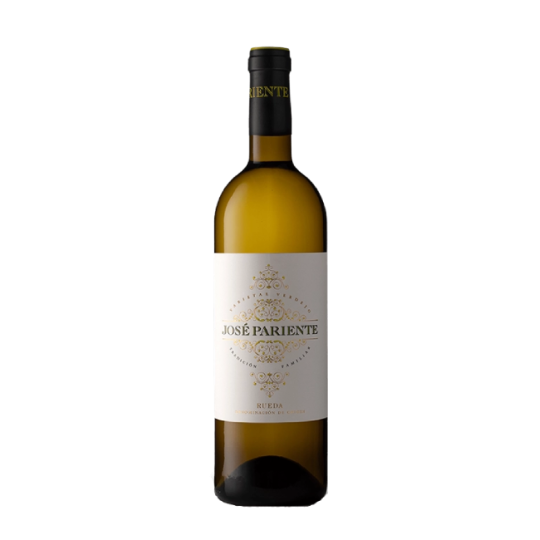
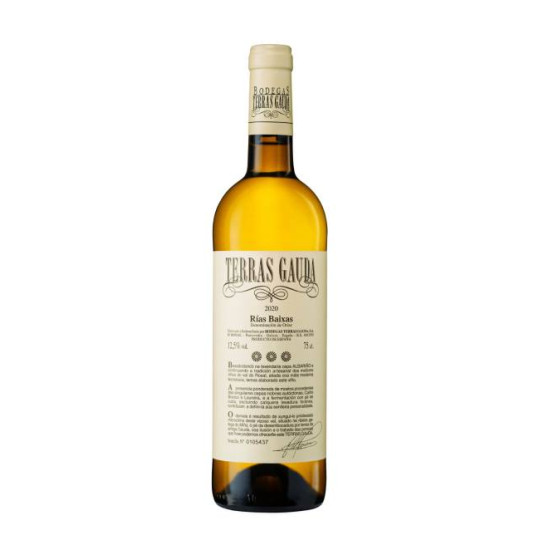
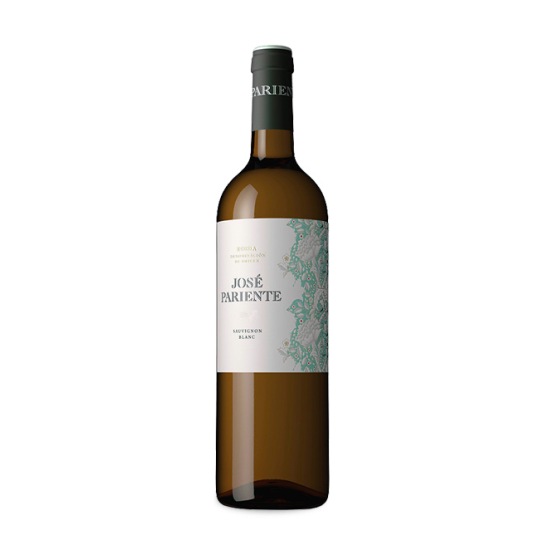
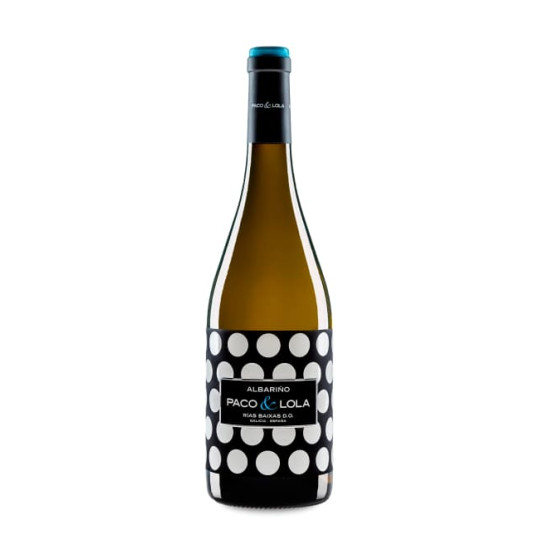
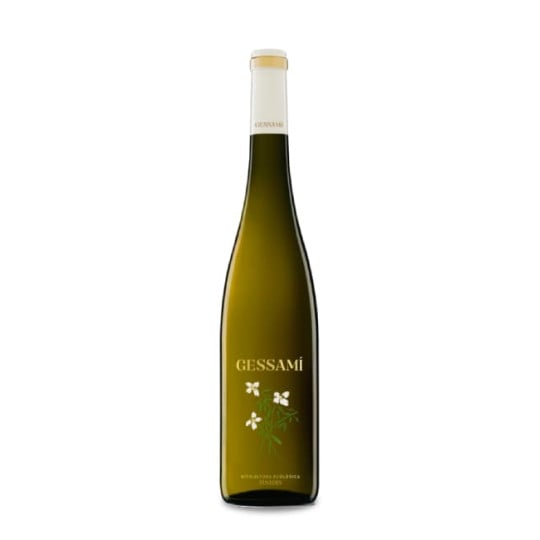
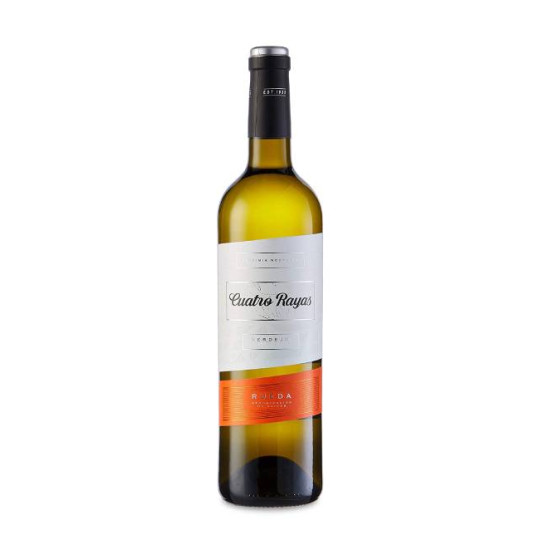
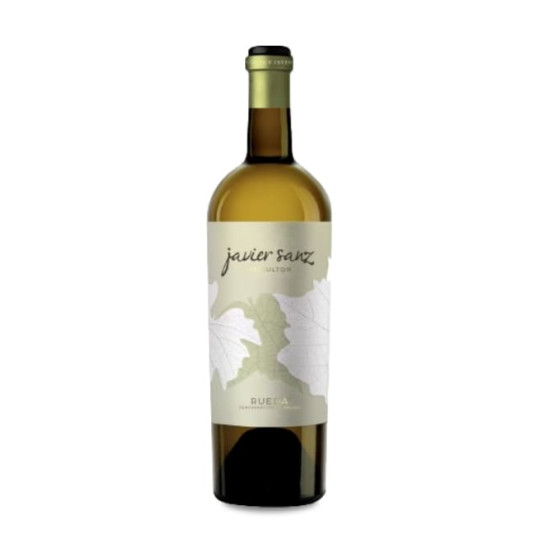
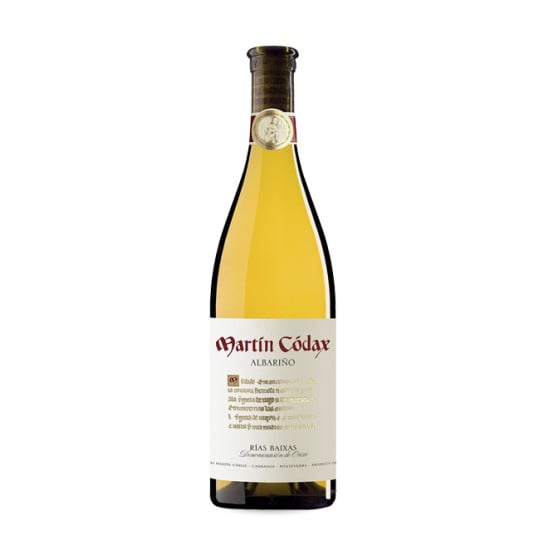
Martín Códax and their Albariños, and the wines from Pazo de Señorans in Rías Baixas, Galicia. José Pariente with his Verdejos and Sauvignon Blanc from Rueda, and Menade. Garnacha Blanca wines from LaFou in Terra Alta, and Bàrbara Forés. There is the white Muga from La Rioja and the floral Gessamí from Gramona as well as the Xarel·lo from Can Sumoi in Penedès.
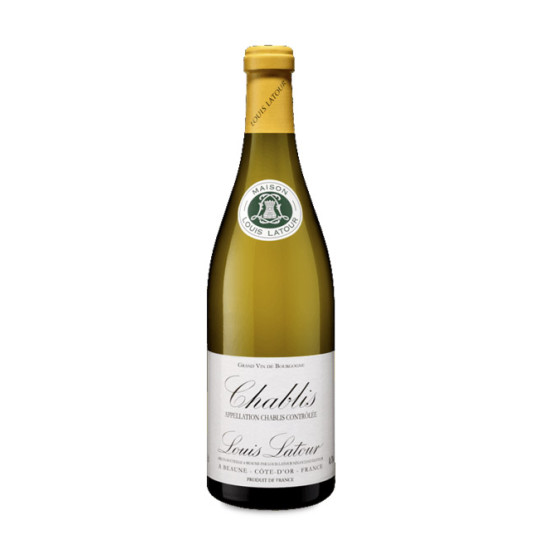
From France it is worth mentioning Louis Latour, Joseph Drouhin and Louis Jadot and their creamy Burgundy Chardonnay. There is also the Loire Valley Sauvignon Blanc by Francois Croche and Domaine Landron. The Riesling and Gewürztraminer wines from Alsace by Bott Geyl and Trimbach.
Finally, from Germany we should mention the Moselle Riesling by Dr. Loosen, Markus Molitor and A. J. Adam, and the fresh and floral wines by Pfalz Villa Wolf and Koehler Ruprecht.
White wine tasting and pairing
It is clear to see that white wines can be very diverse with many variables. This makes them very versatile, and means that depending on their style and characteristics, they can be perfectly paired with many different dishes or even enjoyed as an aperitif.
Generally, the most floral and fruity wines are perfect as aperitifs, or for enjoying with fish, seafood, rice and pasta, as well as more exotic oriental and spicy foods.
Finally, those that are creamier and with more body pair perfectly with oily fish and lightly cured cheeses, and the most structured whites can even handle chicken, turkey and other white meats.
So, we can see that white wines are complex and varied and can be paired with many different types of dishes and enjoyed on almost any occasion. Which would you choose?


 Red wine
 White wine
 Rosé wine
 Primeurs
 Sherry and Port wine
 Sweet wine
 Orange wine
 Vermouth
 Champagne
 Cava
Cava Prosecco
 Lambrusco
 Crémant
 Moscato d'Asti
 Franciacorta
 Pet-Nat
 Corpinnat
 Other sparkling wines
 Rhum
Rhum Gin
Gin Whisky
 Vodka
Vodka Cognac
 Brandy
 Pastis
 Tequila
 Mezcal
 Grappa and Eau de vie
 Calvados
 Liqueurs
 Pacharán
 Apéritifs
 Wine gift boxes
 Boxed wines
 Boxed sparkling wines
 Wine bottles and glasses
 Gift card
 Non alcoholic Wine
 Non alcoholic Sparkling wine
 Non alcoholic Gin
 Other non-alcoholic drinks
 Aromas
 Wine conservation
 Decanters and aerators
 Bottle identifiers
 Corkscrews
 Service
 Glass identifiers
 Cleaners
 Accessories set
 Wine glasses
 Contact


 Price
Price Points
 Country
 Production area
 Designation of Origin
 Winery
 Style
Style Aging
Aging Type of grape
 Production
 Volume
 Pairing
 Vintage
 Filter and sort